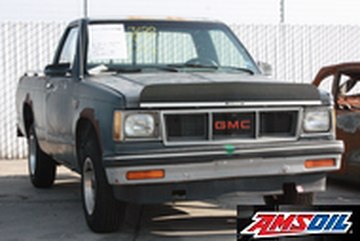
Engine Oil Maintenance for the 1983 Gmc Trucks S15 PICKUP 2.8L
Maintaining proper lubrication is one of the most critical aspects of preserving the longevity and operational integrity of your vehicle's engine. For owners of a 1983 Gmc Trucks S15 PICKUP with the 2.8L engine, staying informed about oil service requirements helps ensure the internal components remain properly lubricated and protected from unnecessary wear.
When should I change the oil in my 1983 Gmc Trucks S15 PICKUP 2.8L?
To determine the correct interval for an oil change, you should follow the owner's manual or the manufacturer maintenance schedule provided for your specific vehicle. Do not rely on estimated mileage or time intervals, as the official documentation contains the necessary guidance for your engine.
Understanding Engine Oil Viscosity
Viscosity refers to a fluid's resistance to flow. In an internal combustion engine, the oil must be thin enough to circulate quickly during a cold start but thick enough to maintain a protective film between moving parts when the engine reaches operating temperature. For this specific 1983 Gmc Trucks S15 PICKUP application, the database allows for the use of 5W-30.
Using the correct viscosity helps ensure that oil reaches critical components like camshafts, bearings, and lifters in a timely manner. While many modern vehicles use highly specialized synthetic blends, older engines may have specific requirements regarding how the oil behaves under different temperature ranges. Always verify that any product you select aligns with the specifications found in your vehicle's documentation.
The Role of the Oil Filter
An oil change is not complete without addressing the oil filter. The filter is responsible for capturing contaminants, such as microscopic metal shavings, carbon deposits, and dust, that inevitably enter the lubrication system during engine operation. If a filter becomes saturated with debris, its ability to flow oil effectively decreases, which can lead to increased pressure or reduced lubrication quality.
When performing routine maintenance, replacing the filter alongside the oil ensures that fresh lubricant is not immediately contaminated by the old, dirty residue trapped in the previous filter. While specific part numbers and dimensions vary by manufacturer, ensuring a clean filtration path is essential for every service interval.
Monitoring Oil Levels Regularly
Relying solely on scheduled maintenance intervals is often insufficient for maintaining engine health. It is a best practice to check the oil level using the engine's dipstick periodically between scheduled changes. This allows you to identify potential issues such as slow leaks or unexpected consumption before they lead to mechanical complications.
When checking the oil, ensure the vehicle is parked on a level surface and the engine is in the appropriate state (either recently shut off or at a specific temperature as dictated by your manual) to get an accurate reading. If the oil level is consistently low, it may indicate a need for a mechanical inspection of gaskets, seals, or other components.
Observing Oil Condition and Color
The physical appearance of your engine oil can provide useful information about the internal state of your 2.8L engine. Fresh oil typically has a clear, amber hue. As it undergoes the combustion process, it will naturally darken due to the accumulation of soot and other byproducts. However, certain changes in appearance should prompt closer attention.
- Very dark or gritty texture: This may indicate that the oil has exceeded its service life or that there is excessive contamination within the system.
- Milky or cloudy appearance: This can sometimes suggest that coolant has entered the lubrication passages, which requires immediate professional inspection.
- Strong fuel odor: A heavy scent of gasoline in the oil may indicate an issue with fuel injectors or other components allowing unburned fuel to enter the crankcase.
Preventative Maintenance Habits
Consistent maintenance is more effective than reactive repairs. Beyond just changing the oil, keeping a record of when services were performed helps you track the health of your 1983 Gmc Trucks S15 PICKUP. This documentation is useful for identifying patterns, such as how quickly the oil degrades or if certain components require more frequent attention.
Maintaining a clean engine bay can also assist in spotting leaks early. Oil seeping from a valve cover gasket or a rear main seal might be difficult to see if the engine is covered in road grime and old grease. A clean environment makes it much easier to perform visual inspections during your routine checks.
BUYING ENGINE OIL
When you are ready to purchase lubrication for your vehicle, focus on finding products that meet the requirements of your engine. Check the labels carefully to ensure the viscosity matches what is recommended for your application. It is helpful to have your vehicle's year, make, and engine size ready when consulting with retailers or searching online to ensure you are selecting a product intended for your specific 2.8L engine. Always prioritize products that align with the manufacturer's guidance found in your owner's manual.